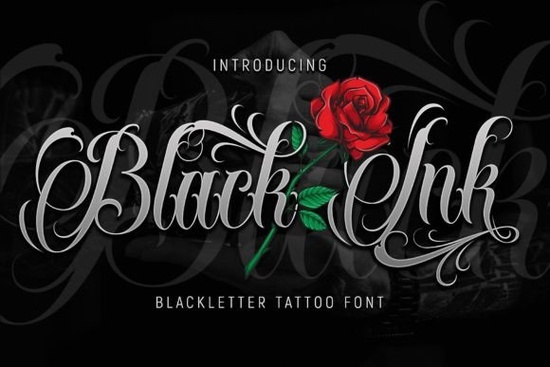
If you're looking for a blackletter font that works well on t-shirts, logos, or posters without feeling dated or overly ornate, Black Ink Font is worth your attention. It’s a contemporary take on the blackletter style cleaner than traditional Gothic scripts but still unmistakably tattoo-inspired. Designed with practical use in mind, it balances bold presence with readability, making it especially useful for print-on-demand sellers and small businesses building cohesive brand identity items.
What makes Black Ink different from other blackletter fonts?
Many blackletter fonts lean heavily into historical detail tight spacing, sharp serifs, and dense letterforms that can blur at smaller sizes or struggle on fabric prints. Black Ink simplifies those elements just enough: wider counters, slightly softened terminals, and consistent stroke contrast. That means it holds up well on screen-printed tees, vinyl decals, and even embroidered patches. It’s not trying to replicate medieval manuscripts it’s built for today’s design workflows.
You’ll notice it pairs easily with sans-serif companions (think Montserrat or Poppins) for balanced layouts, and its uppercase-only set feels intentional rather than limiting. There’s no need to force lowercase alternatives when the design calls for impact and clarity.
Where does Black Ink fit in your design toolkit?
Think of it as your go-to blackletter for projects where authenticity matters but so does legibility. It shines on:
- Small-batch t-shirt labels and shop signage
- Local brewery or coffee roaster logos (especially if you’re going for a handcrafted, artisanal vibe)
- Flyers for live music events or underground art shows
- Sticker sheets and enamel pin designs
- Minimalist tattoo flash sheets for artists starting their portfolio
It’s also a solid choice if you’re experimenting with monochrome branding no gradients or shadows needed. Just crisp vector outlines and confident spacing.
How does it compare to other popular blackletter options?
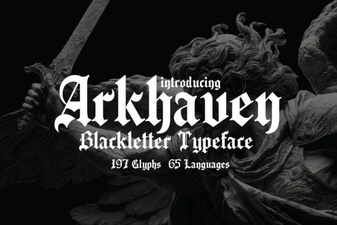
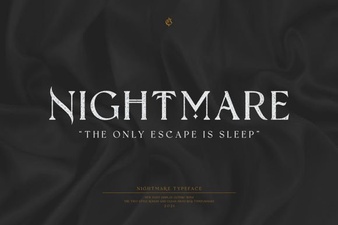
If you’ve used Blistao, you’ll recognize its tighter rhythm and more decorative baseline swashes great for editorial headers or album art, but sometimes too busy for apparel. Nightmare Gothic leans darker and more dramatic, with exaggerated contrast that works well for horror-themed merch but less so for everyday branding. And Arkhaven brings a subtle serifed elegance, ideal for wedding stationery or vintage book covers not quite the same streetwise energy Black Ink delivers.
All four are well-drawn and professionally spaced, but they serve different moods and markets. Choosing between them often comes down to audience expectation: who’s seeing it, where, and for how long.
Practical tips for using Black Ink effectively
Start simple. Try setting full words in all caps at 48–72 pt before scaling down. If it reads clearly at 24 pt on screen, it’ll likely hold up on a chest print. Avoid over-tracking (letter-spacing) unless you’re aiming for a distressed or stencil-like effect this font already has strong internal rhythm.
When exporting for cut files (Cricut, Silhouette), convert text to outlines first. Some blackletter fonts have overlapping paths or thin interior strokes that can cause cutting errors but Black Ink was built with vector reliability in mind, so it handles conversion smoothly.
For POD sellers: test one design across two mockups one dark garment, one light. The high-contrast letterforms pop on both, but subtle kerning adjustments may help readability on textured fabrics like tri-blend tees.
Where to find authentic blackletter fonts
Not all blackletter fonts are created equal some lack proper OpenType features, inconsistent spacing, or limited language support. That’s why it helps to source from trusted platforms like Black Ink Font, Blistao Font, Nightmare Gothic Font, and Arkhaven Font. Each includes clear licensing terms, clean file formats (OTF, TTF, WOFF), and real-world usage examples.
Before downloading, check the character set preview especially if you need accented characters for multilingual projects or extended punctuation for quotes and branding tags.
Next step: Pick one project you’re working on this week a logo sketch, a sticker layout, or a t-shirt front and try swapping in Black Ink for your current blackletter. Compare side-by-side with your usual choice. Ask yourself: Does it feel easier to read? Does it hold its shape at the size you need? If yes, it might be time to make it your new default.
Try It Free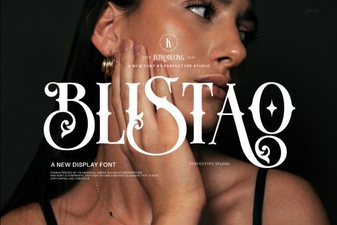 Blistao Font: Modern Sans-Serif Design
 Arkhaven Font: Design Ideas & Creative Applications
 Nightmare Gothic Fonts for Creative Design Projects
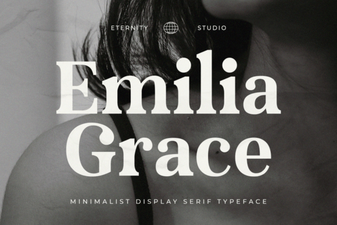 The Et Emilia Grace Font for Elegant Designs
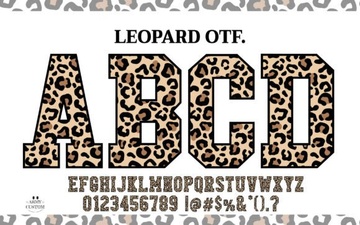 Leopard Varsity Font: Classic Design for Bold Projects
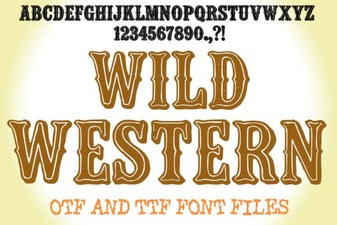 Creative Wild Western Font Design & Usage Tips