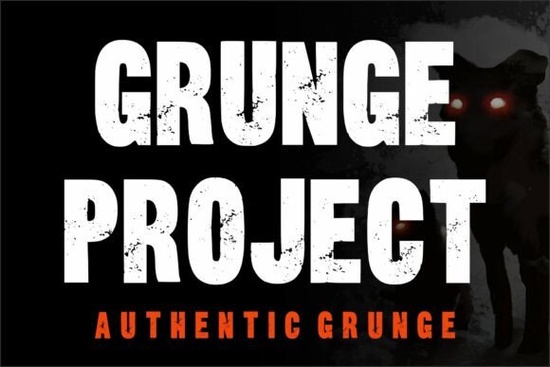
If you're looking for a font that feels like it was spray-painted on a brick wall at 2 a.m. rough, real, and full of attitude the Grunge Project Font is worth your attention. It’s not polished or predictable. Instead, it leans into imperfection: uneven strokes, subtle texture, and edges that look hand-drawn or weathered. That makes it especially useful if you’re designing posters for indie bands, creating vintage-style merch, or building a streetwear brand that values authenticity over slickness.
When does Grunge Project work best?
This font shines in contexts where personality matters more than precision. Think album covers with raw energy, limited-edition t-shirt graphics, zine headers, or movie title treatments that need to feel urgent and unfiltered. It’s also a strong choice for social media visuals aimed at Gen X or younger audiences who respond to visual honesty not airbrushed perfection.
Because it’s designed with intentional irregularity, Grunge Project pairs well with clean sans-serifs (like Montserrat or Inter) for contrast, or with other distressed typefaces when building layered, tactile layouts. Just avoid pairing it with overly decorative scripts or ultra-thin fonts the visual weight imbalance can feel jarring.
How is it different from other grunge fonts?
Not all “grunge” fonts deliver the same kind of authenticity. Some rely too heavily on digital noise filters or generic scratch effects that feel dated or artificial. Grunge Project avoids that trap by grounding its texture in letterform structure the imperfections live in the shapes, not just layered on top. You’ll notice variations in stroke thickness, slight ink bleed suggestions, and subtle asymmetry that mimic real-world printing or hand-lettering.
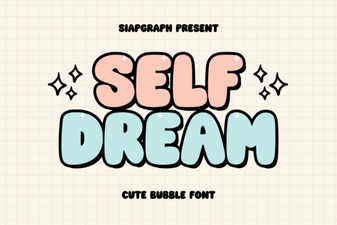
Compare it to Self-Dream Font, which leans dreamy and soft, or Wild Western Font, built for dusty saloons and rodeo posters. Grunge Project sits firmly in the urban, post-punk lane closer in spirit to Boy Graffiti Font, but with tighter spacing and more typographic control for professional use.
Who uses this font and why?
Print-on-demand sellers often choose Grunge Project for niche collections: band tees, retro concert merch, or “anti-perfection” quote designs. Small businesses building local identity like independent record stores, tattoo studios, or coffee shops with an underground vibe use it for signage and menus where tone matters as much as legibility.
Crafters appreciate that it works well in Cricut and Silhouette software, especially when cut from vinyl or iron-on. The bold weight holds up at medium sizes (24–60 pt), and the texture reads clearly even when scaled down slightly unlike some ultra-distressed fonts that blur or pixelate at smaller sizes.
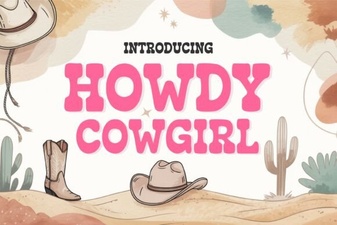
Designers working on editorial projects sometimes use it sparingly: a single headline, a pull quote, or section divider. Because it carries so much voice, less is usually more. You’ll see similar energy in Howdy Cowgirl Font, but with a completely different cultural anchor one’s rooted in desert sun and cowboy boots, the other in rain-slicked sidewalks and amplifier hum.
What to keep in mind before using it
- Legibility drops fast below 18 pt avoid body text or small captions.
- It includes standard Latin characters and basic punctuation, but doesn’t support extended language sets (e.g., Cyrillic or Vietnamese diacritics).
- Works in most design apps (Adobe CC, Affinity, Canva Pro), but preview carefully in free-tier tools some don’t render OpenType features like alternate glyphs correctly.
- If you’re ordering physical prints, ask your vendor to test a proof first. Texture-heavy fonts can shift in color density depending on paper stock and ink absorption.
One last note: while Grunge Project stands out on its own, it’s part of a larger family of expressive display fonts on Creative Fabrica. If you like its energy, you might also explore Grunge Project Font’s sibling styles (if available), or browse related options like Boy Graffiti Font for a looser, more spontaneous feel.
Before downloading or purchasing: Check the license. Most Creative Fabrica fonts include commercial use rights, but always confirm whether sub-licensing (e.g., giving the font file to a client) or web embedding is allowed. And if you’re planning to use it across multiple team members or platforms, double-check the permitted number of users or installations.
Try It Free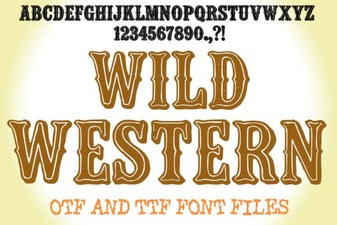 Creative Wild Western Font Design & Usage Tips
 Design with the Howdy Cowgirl Font Style
 Dream Fonts: a Designer's Guide to Self-Expression
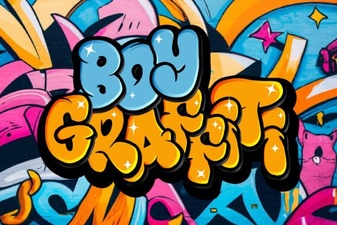 Urban Boy Graffiti Fonts for Creative Projects
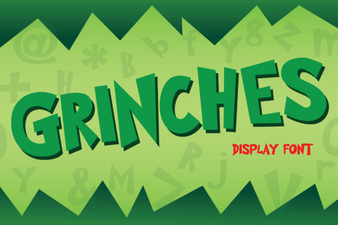 Incorporate the Grinch's Holiday Font Into Your Projects
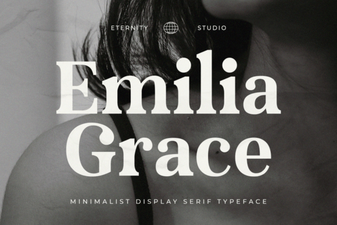 The Et Emilia Grace Font for Elegant Designs