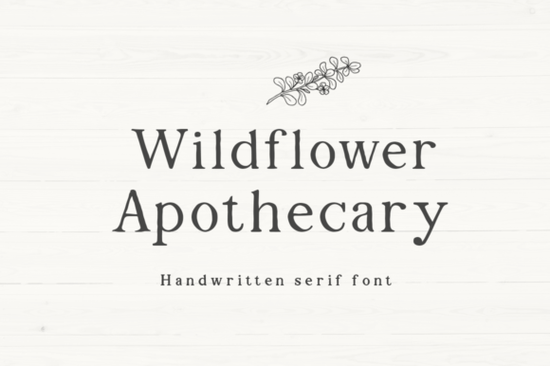
If you're looking for a handwritten serif font that feels warm, natural, and quietly confident especially for rustic or botanical-themed projects the Wildflower Apothecary Font fits right in. It’s not overly decorative or fussy, but it carries gentle organic imperfections: slight variations in stroke weight, subtle ink bleed, and soft terminals that mimic real pen-on-paper writing. That makes it especially well-suited for handmade signs, small-batch product labels, wedding stationery, or farmhouse-style wall art where authenticity matters more than pixel-perfect uniformity.
What kind of projects work best with this font?
Because it comes in two weights regular and bold and includes built-in alternates and ligatures, Wildflower Apothecary scales well across formats. You’ll find it used often on laser-cut wood signs, printed quote cards for gift shops, Cricut vinyl decals, and even embroidered patches. Its serif structure gives it more presence than a basic script, while its handwritten roots keep it approachable not stiff or corporate.
Small business owners making personalized mugs, tea towels, or soy candles often choose it for product tags and packaging. Print-on-demand sellers use it to design minimalist T-shirt graphics with herbal or wellness themes (think “Brew Well,” “Rooted & Rested,” or “Grow Your Own Joy”). It also pairs cleanly with neutral palettes and natural textures like linen, kraft paper, or unglazed ceramics.
How does it compare to other serif fonts on Creative Fabrica?
Unlike high-contrast Didones or rigid slab serifs, Wildflower Apothecary leans into softness and rhythm. If you’ve tried Magic Flash Font, you’ll notice Wildflower is less dramatic and more grounded less “vintage poster,” more “hand-lettered apothecary label.” Compared to the nostalgic warmth of Retro Fonts Collection, Wildflower avoids mid-century motifs and focuses instead on botanical quietude.
It shares some of the same gentle confidence as Et Emilia Grace Font, though Emilia Grace has more pronounced calligraphic flair and tighter spacing better for formal invitations. Bethany Elingston Font, by contrast, is bolder and more structured, ideal for logos needing strong legibility at small sizes. Wildflower sits comfortably between them: relaxed enough for handcrafted charm, clear enough to read without squinting.
What do crafters actually do with it?
Here’s what real users report:
- Using the bold weight for laser-cut wooden herb labels (basil, lavender, rosemary), then pairing the regular weight for fine-print care instructions
- Layering both weights in Canva or Silhouette Studio to create depth on printable quote posters no shadow effects needed
- Importing the OTF files directly into Cricut Design Space for precise cut lines, especially when working with foil transfer sheets or iron-on vinyl
- Combining it with simple line-drawn botanical clipart (like dried florals or pressed leaves) for cohesive Etsy listings
No extra software is required it works natively in Adobe apps, Affinity, Google Fonts-compatible platforms (via upload), and most cutting machine software. And because it’s a single-family serif set not a sprawling bundle you won’t waste time hunting for matching sans or display variants. What’s included is intentional and usable.
Where to find inspiration and similar options
If you’re drawn to Wildflower Apothecary, you might also appreciate how Magic Flash Font adds subtle sparkle to vintage-inspired headers, or how Retro Fonts Collection supports broader mid-century or diner-themed designs. For softer, more delicate botanical pairings, Et Emilia Grace Font offers graceful contrast without competing visually.
One practical tip: test your text at actual output size before finalizing. A line that looks balanced on screen may feel too tight when cut at 1.5 inches tall on burlap. Try printing a 2-inch sample first or use the preview feature in Creative Fabrica to see how letters flow together in context.
Before you download or license Wildflower Apothecary:
- Check that your project needs a serif with handwriting character not pure script or ultra-modern sans
- Confirm you’ll use both weights (regular + bold) to get full value from the family
- Verify compatibility with your primary tools (e.g., Cricut Design Space accepts OTF, but older versions of Silhouette Studio may require conversion)
- Look at the glyph panel: does it include the accents or punctuation you need for your language or brand name?
- Save a mockup using the font alongside your usual background textures or photos does it hold up visually without overwhelming the composition?
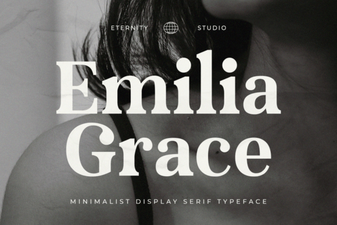 The Et Emilia Grace Font for Elegant Designs
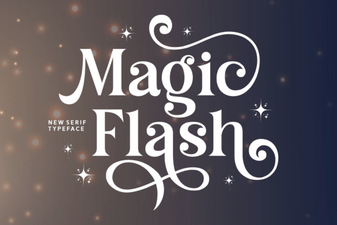 Magic Flash Font Styles for Creative Typography
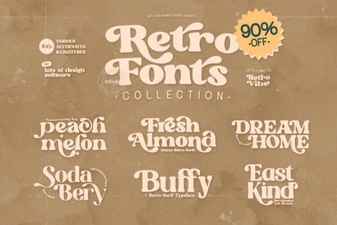 Unlock Creativity with Classic Retro Fonts
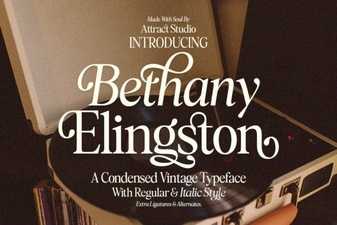 Bethany Elingston Font: Creative Typography Projects
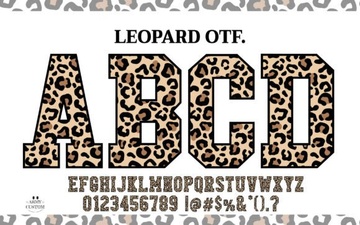 Leopard Varsity Font: Classic Design for Bold Projects
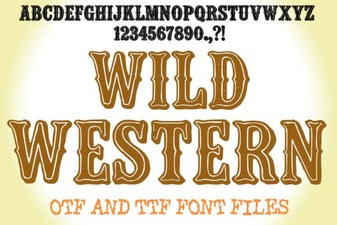 Creative Wild Western Font Design & Usage Tips